AI-Native Sales Target Engine for
CPG Field Sales Teams
Create, allocate, and publish AI-powered targets for every rep, territory, product, and outlet, directly into your existing SFA.
Why Traditional Sales
Target Planning Falls Short
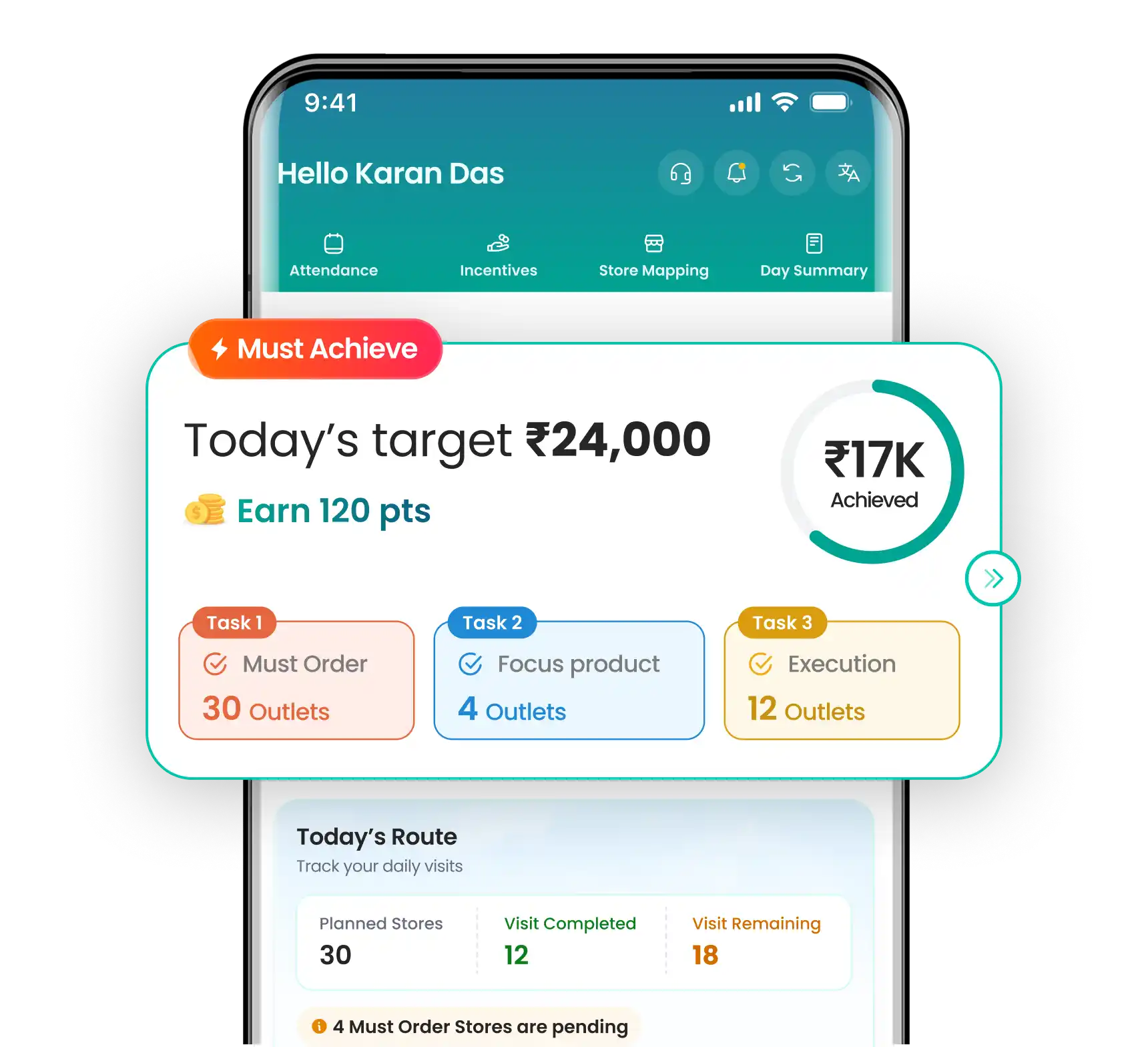
Sales targets are often set once using historical data and fixed growth assumptions, then followed for months even as demand, inventory, territory potential, and product priorities change.
AI Native Targets Your Team Can Trust
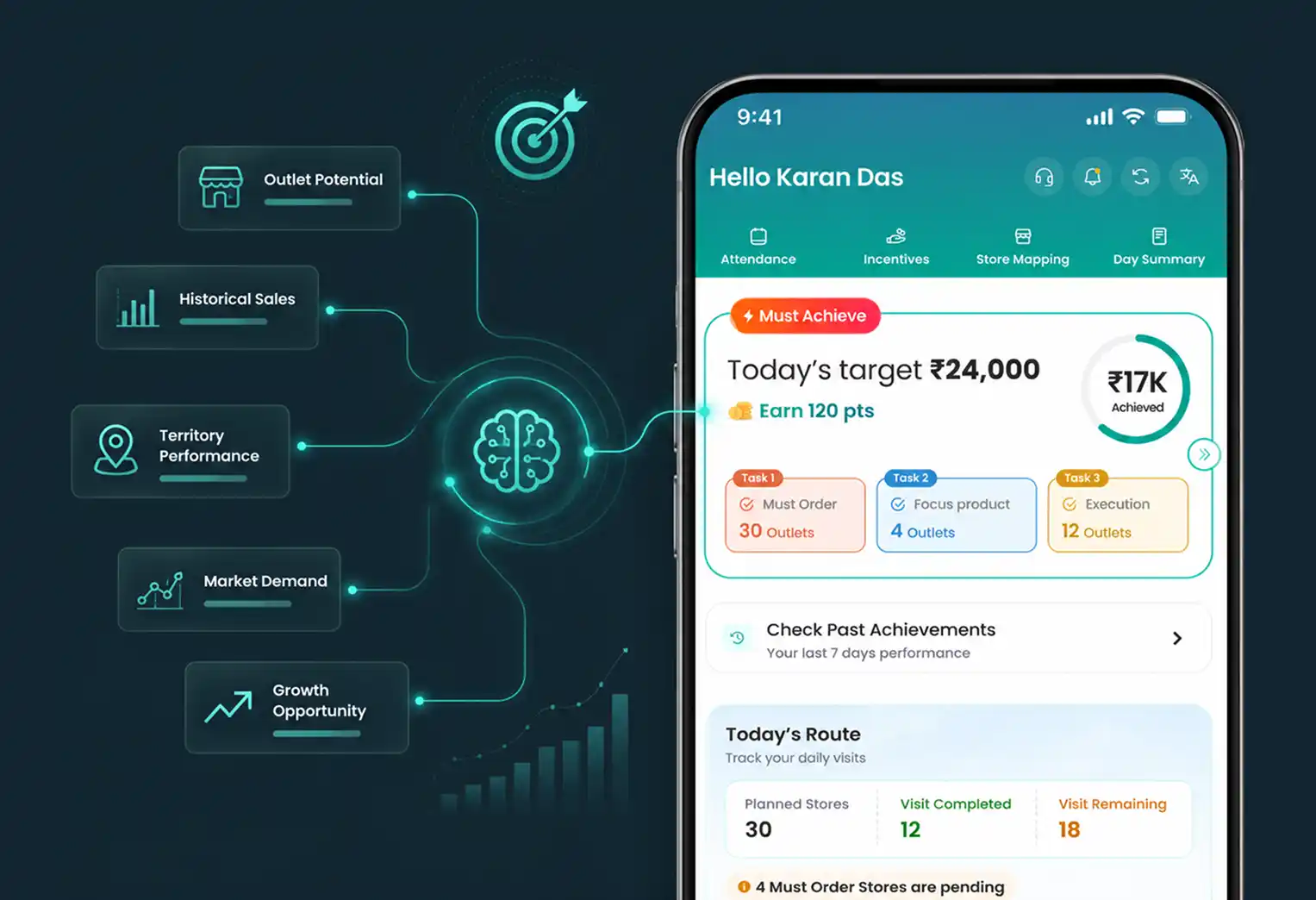
Every recommended target is backed by historical sales, outlet potential, territory performance, market demand, and growth opportunity. Managers can review the logic, adjust recommendations, and approve targets with confidence.
From Business Goals to Smarter Targets for Every Sales Rep
The AI Native Target Engine turns business goals into realistic, data-driven targets for every rep, territory, product, and outlet. It allocates them across your sales hierarchy and recommends updates as market conditions change.
Analyse Every Sales Opportunity
AI evaluates historical sales, outlet potential, territory performance, seasonality, product mix, and market demand to identify the right opportunities for AI-powered sales targets.
Generate AI-Powered Sales Targets
Turn business goals into realistic, data-driven AI targets for every region, territory, distributor, sales rep, product, and outlet.
Allocate and Publish AI Targets
Automatically distribute AI sales targets across your hierarchy, apply business rules and approval workflows, and publish them directly into any SFA.
Continuously Optimise AI Targets
As demand, inventory, sales performance, and business priorities change, AI recommends target revisions to keep sales targets relevant, achievable, and growth-focused.
Everything You Need to Plan Better Sales Targets
Filter Targets Across Your Sales Hierarchy
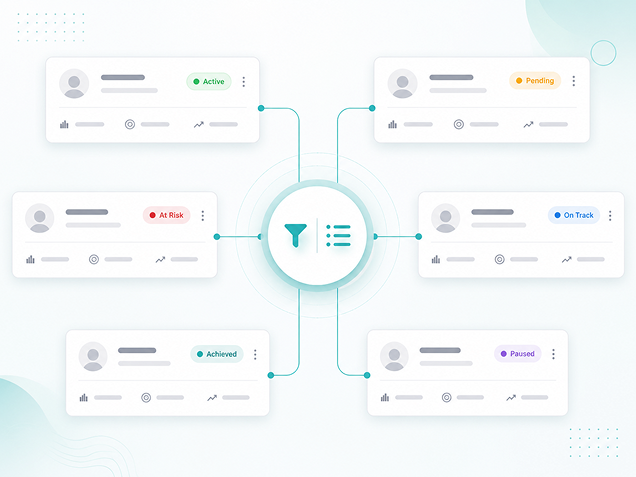
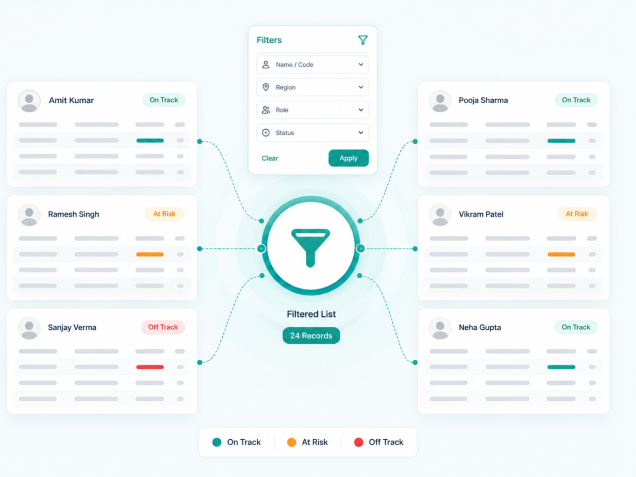
View AI targets by region, territory, distributor, rep, business unit, or product line, and quickly find the teams requiring review.
Compare AI Target Scenarios
Compare AI recommendations with historical averages, planned growth, market potential, and custom target calculations before approval.
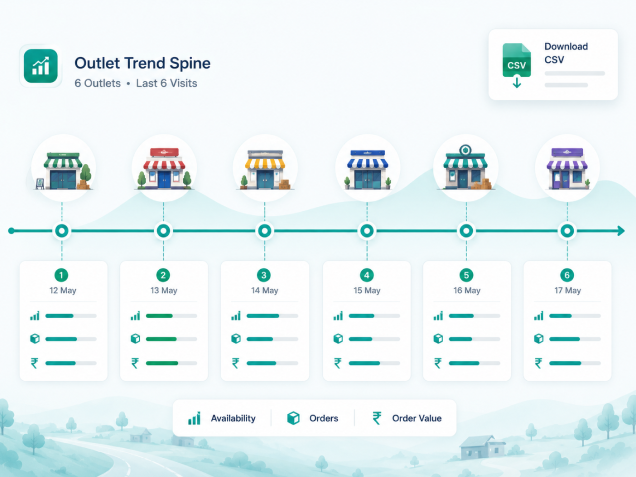
Validate With Historical Evidence
Review past sales, order value, outlet coverage, and performance trends to ensure every target is realistic and achievable.
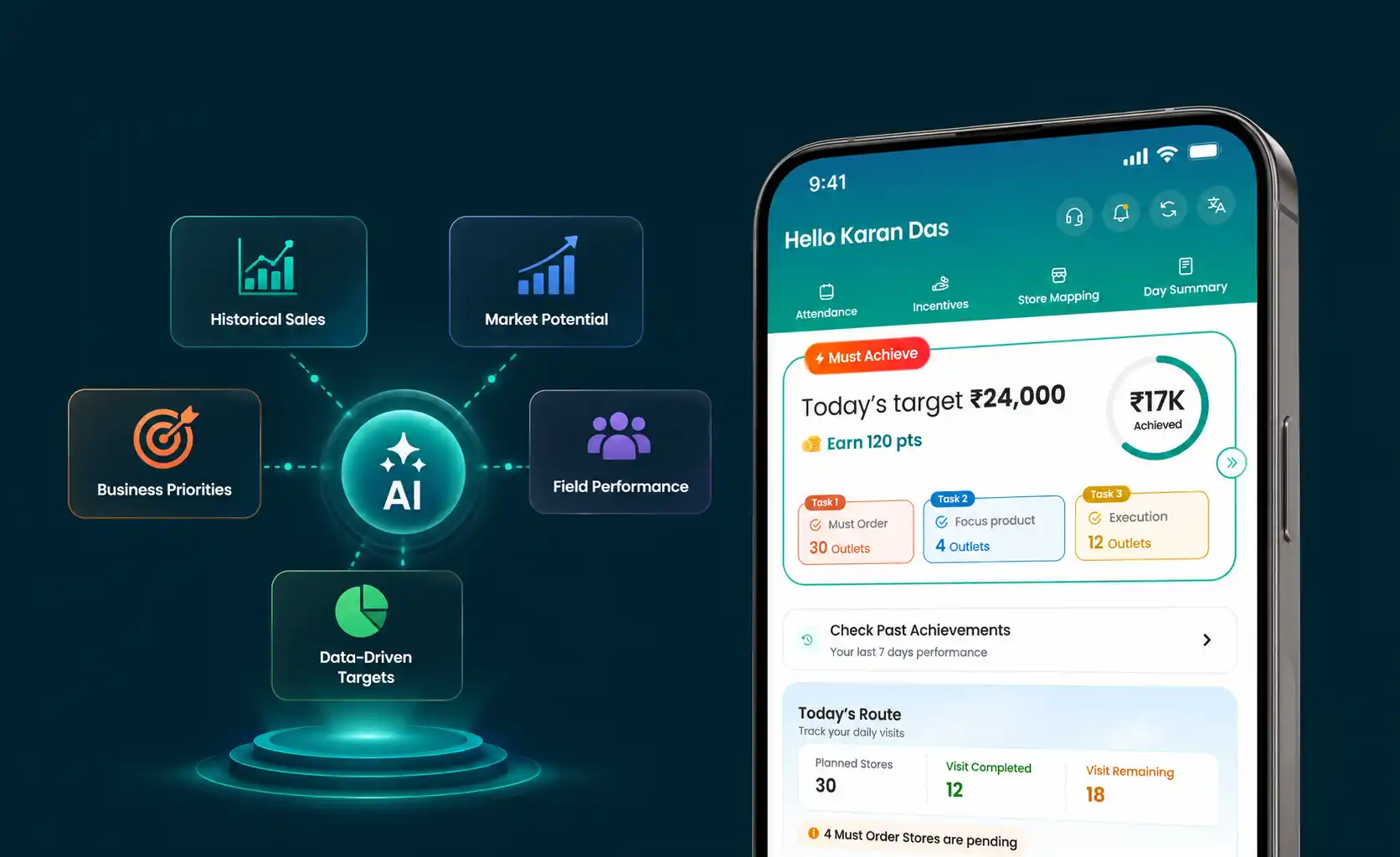
AI Native Sales Target Intelligence
AI Native Target Engine combines historical sales, market potential, business priorities, and field performance to create transparent, data-driven targets that planners can trust and publish with confidence.
What Better Target Planning Delivers
Target accuracy against outturn
ML-set targets land closer to actual outturn than manually planned PJP targets.
Time to publish a target set
A full line-of-business target set is generated and validated, against the duration of a manual planning cycle.
Outlet coverage reflected in the target
Every target carries the outlet count it was predicted from, so coverage and target move together.
Questions About AI Native Target Engine
The AI Target Engine is a platform-level module in the Intelligence Core rather than a planning tool sitting beside the sales system, which is why targets can be recomputed as live data arrives and published straight into the SFA reps already use. That placement is also why every target carries its own evidence: the engine reads the same transaction data the field writes, so a target and the outlet history behind it are one record rather than two files someone reconciled.
AI target planning changes the unit and the cadence. The unit becomes the outlet rather than the territory, so a target reflects the specific stores a rep can actually convert. The cadence becomes continuous, so as demand and inventory shift the engine recommends revisions rather than leaving a stale number in place for 30 to 90 days. The planning cycle itself compresses by 80 to 90%.
The fairness argument is the same as the accuracy argument seen from the rep's side. Two thirds of reps miss quota largely because targets ignore outlet potential, which means most quota failure is a planning failure rather than an effort failure. A target built from that rep's actual outlets is defensible in a conversation, and a defensible target is one a rep works towards rather than dismisses in week two.
On AI Native SFA it is native, so targets, the tasks generated from them, execution against them and task-based incentives all read from one data spine. That end-to-end path is what makes continuous optimisation possible: an engine that publishes targets but cannot see what happened against them can only replan on a cycle, not respond to what the field actually did.
Accuracy improves because the inputs change, not because the maths is cleverer. Manual planning works from aggregate history and a growth assumption; the engine works from outlet potential, territory performance, seasonality, product mix and market demand at the level where selling actually happens.

Show Us a Better Target Engine. Win 1 Million $
Get a Big 4 firm to audit your platform against ours. Score higher on capability. We cut the cheque.


Open to any competing Target Engine provider. Provider must be ready for an audit by a Big 4 firm using a scorecard agreed with SalesCode.ai.
AI Native Products
Image Recognition
Connectors
The AI-native route-to-market platform for CPG & FMCG enterprises — delivering a contractually guaranteed sales uplift, backed by IEEE peer-reviewed ML.
+91 8031152805
Mon–Fri · 10:00–19:00 IST
business@salescode.ai
Talk to our team
Social